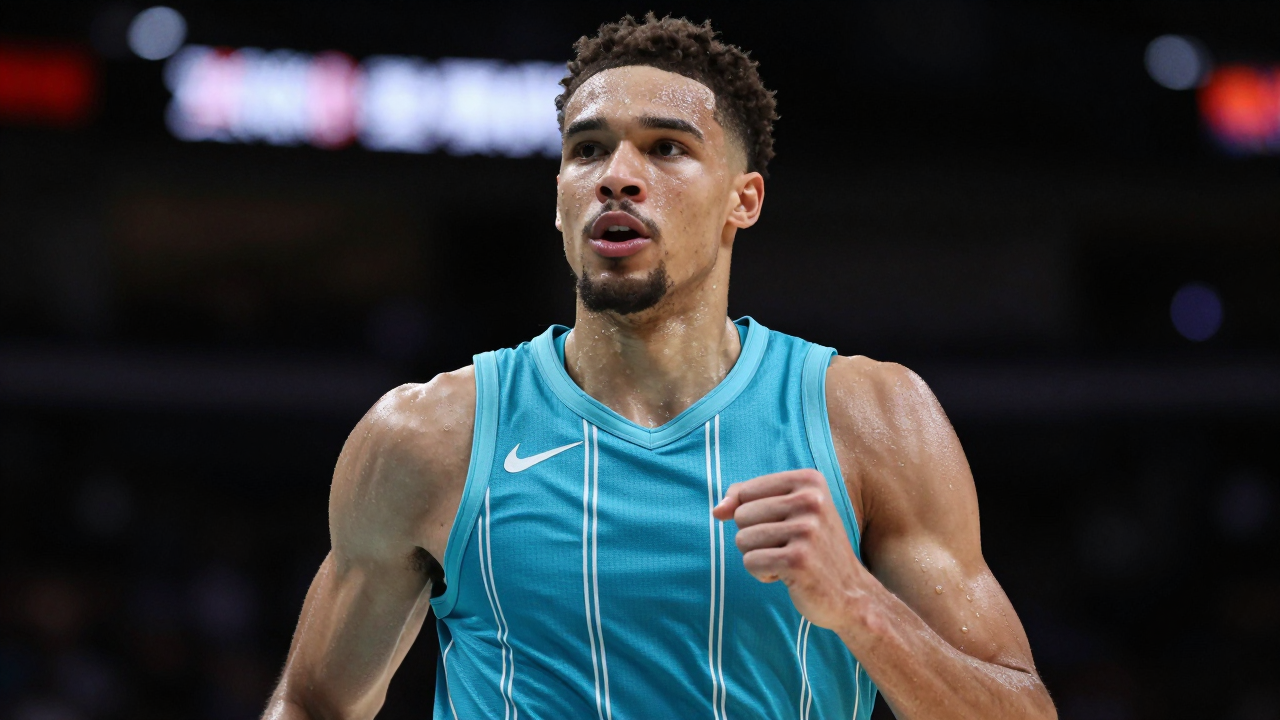
The Charlotte Hornets have established a reputation for building their core through the draft, relying on young talent to shape their future. However, with the introduction of the NBA's new draft lottery system, the very foundation of this strategy could have faced significant challenges. This article delves into how these changes might have affected the Hornets' roster decisions and their overall trajectory in a highly competitive league.
Understanding the New Draft Lottery System
The NBA's revamped draft lottery system aims to discourage teams from tanking, providing a more balanced approach to team rebuilding. Previously, the three worst teams in the league had the highest odds of securing the top pick, creating a race to the bottom for franchises looking to rebuild. Under the new system, the top four teams will have equal chances to land the first overall pick, significantly altering the dynamics of draft strategy.
This system is designed to promote competitiveness and ensure that teams remain motivated throughout the season. The Hornets, who have historically relied on high draft picks to select impactful players, must now navigate a landscape where their chances of landing a top-tier talent are reduced.
- Top four teams now share equal lottery odds. - Tankers are discouraged, leading to a more competitive league. - Draft strategy must adapt to new probabilities.
Historical Context: Hornets' Draft Success
The Hornets have had notable successes in the draft, selecting players like LaMelo Ball and Miles Bridges, who have become pivotal to the team's identity. Since the team's inception, the draft has been a cornerstone of their roster-building strategy. In particular, the 2020 draft where they selected Ball with the third overall pick has proven to be transformative. With the new lottery system, the likelihood of landing such a franchise player diminishes.
Historically, the Hornets have thrived in drafts where they had the opportunity to select high. In recent years, they’ve managed to build a young core that blends well together. However, with the new odds, the pressure mounts not only on scouts but also on front office decisions. A misstep in a draft where the stakes are higher could set the franchise back significantly.
Implications for Roster Development
With the new draft lottery changes, the Hornets must rethink their approach to talent acquisition. The previous system allowed teams with the worst records to secure top picks, fostering a clear path for rebuilding. Now, the Hornets may find themselves drafting later, even if they perform poorly, making it imperative for them to develop existing players and enhance their scouting efforts.
The team will need to focus on several critical areas:
- Player Development: With less chance of drafting a star, maximizing the potential of current players is essential. - Scouting: Finding hidden gems in later rounds becomes even more crucial. - Trade Strategy: The possibility of trading for established talent may become a more viable option.
What this means for Charlotte Hornets
For fans of the Charlotte Hornets, the implications of the new draft lottery system can be concerning. The team’s reliance on the draft for building a competitive roster could be jeopardized. If the Hornets were to finish in the lower tier of the league standings without a guarantee of a top pick, it might impede their growth trajectory.
Moreover, fans are anxious about the potential for mediocrity-staying stuck in a cycle of picking in the middle of the first round without a clear path to a franchise-altering player. This uncertainty can dampen enthusiasm and lead to questions about the front office's ability to adapt to the new landscape of the NBA.
The Wider Championship Picture
The shift in the draft lottery system not only affects teams like the Hornets but also has broader implications for the championship landscape. Teams that traditionally build through the draft, such as the Hornets, could find themselves at a disadvantage against teams with established stars. The parity introduced by the new system might mean that teams that have been consistently good could remain competitive, while those in the rebuilding phase face prolonged struggles.
Consequently, franchises will need to explore innovative ways to acquire talent, whether through trades or free agency. The championship chase may become more reliant on savvy front office decisions rather than simply drafting well. This shift could lead to a more dynamic and unpredictable league landscape.